Beyond Photography Blog
This Blog is a space for the stories behind the images. The places, wildlife, people and moments that shape how I see the world. Here I share reflections from the field, travels near and far, conservation experiences and the quiet lessons found in nature and connection.
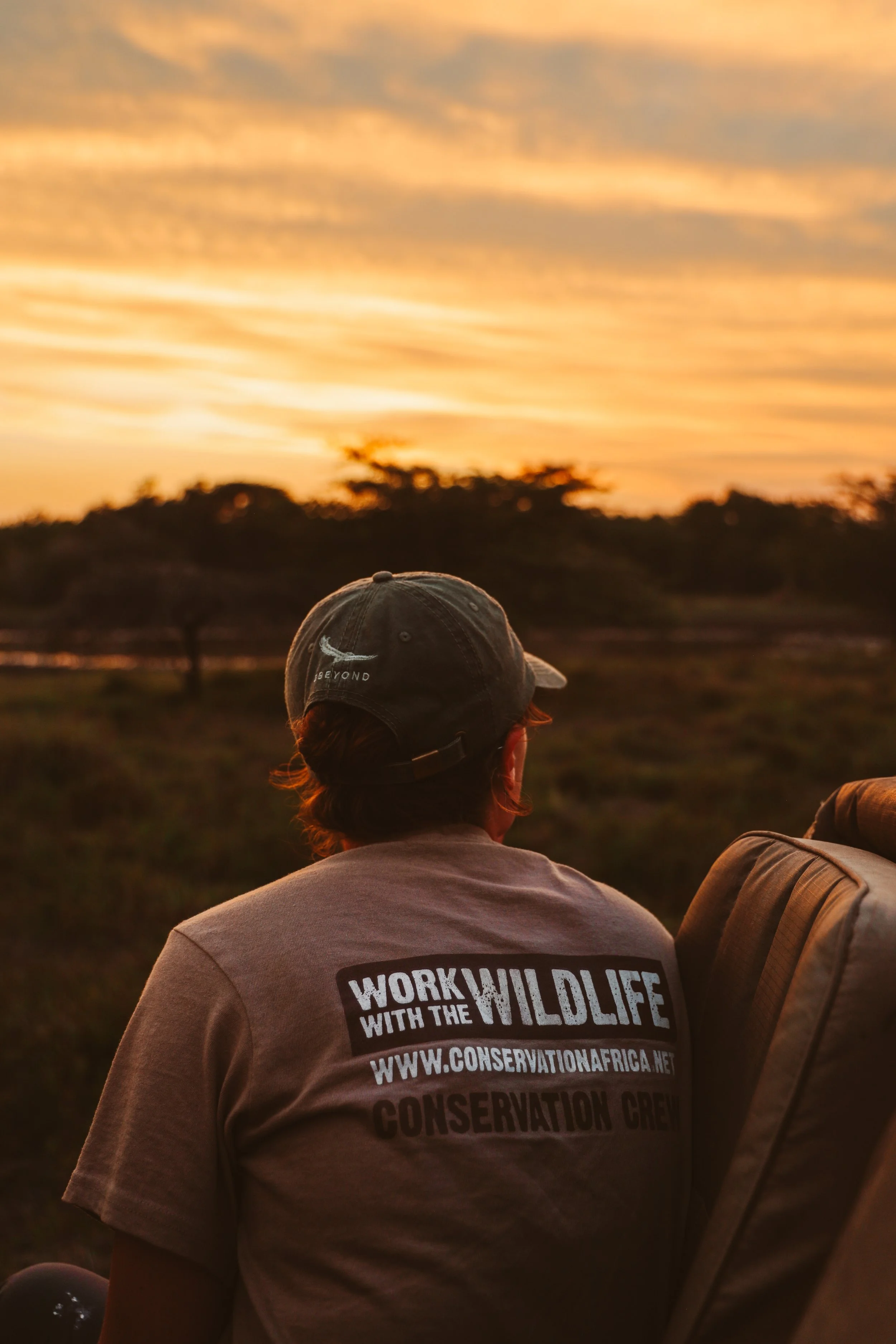
South Africa: Reconnecting People and the Wild.
Searching for the Wild, Finding Something Deeper
I had dreamt of South Africa my whole life.
I carried the hope that a place so sacred, home to lions, leopards, elephants and endless savannas, must surely be protected. I expected wildness: big, bold, untamed. And I found it.
But I also found grief, fragility and fences.
I arrived full of idealism, imagining vast wilderness and powerful conservation. Instead, I was met with a different truth, one that was deeply human, raw and humbling. I learned that conservation is not a story of clear victories, but of constant care, loss and connection.
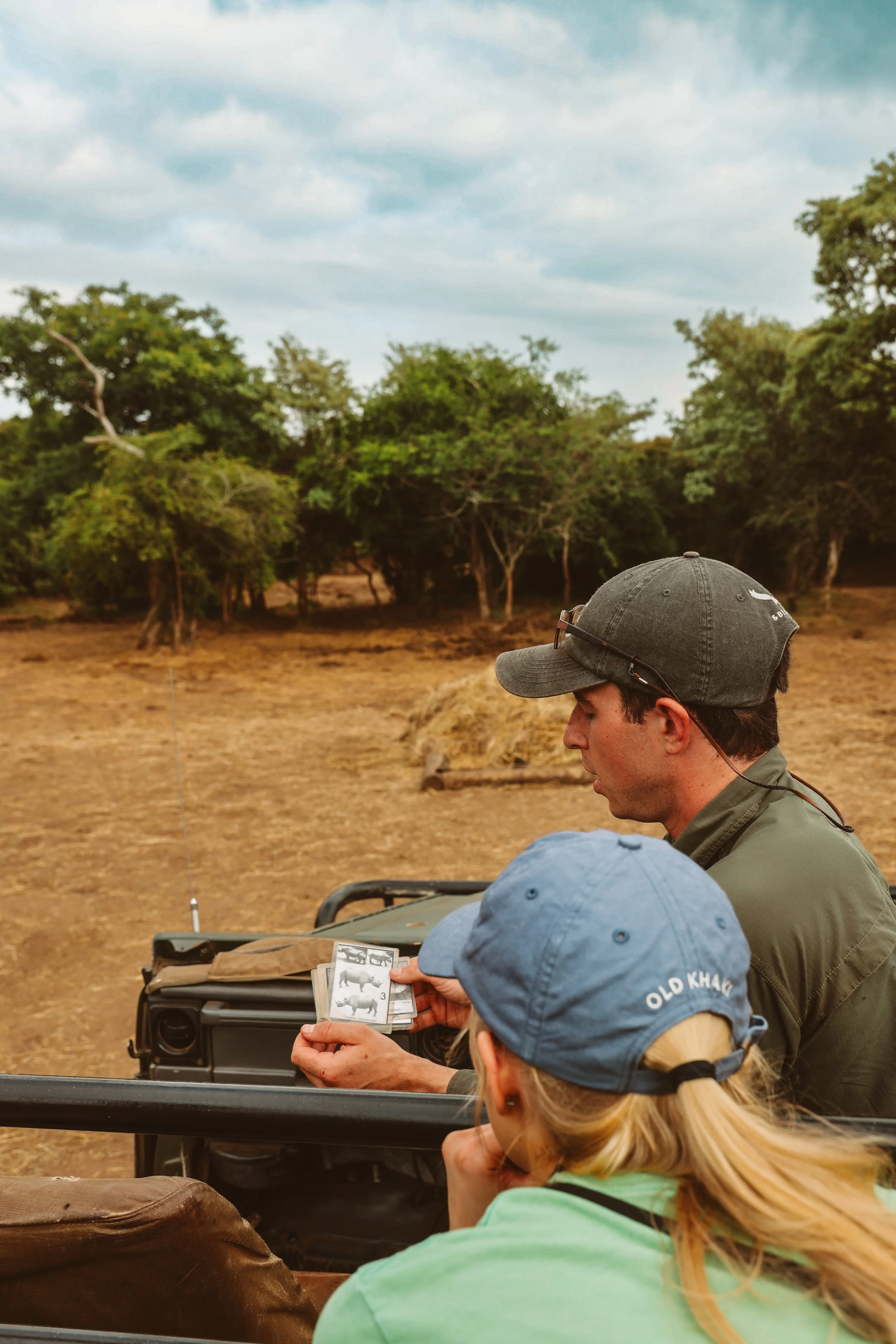
The Fractured Wild
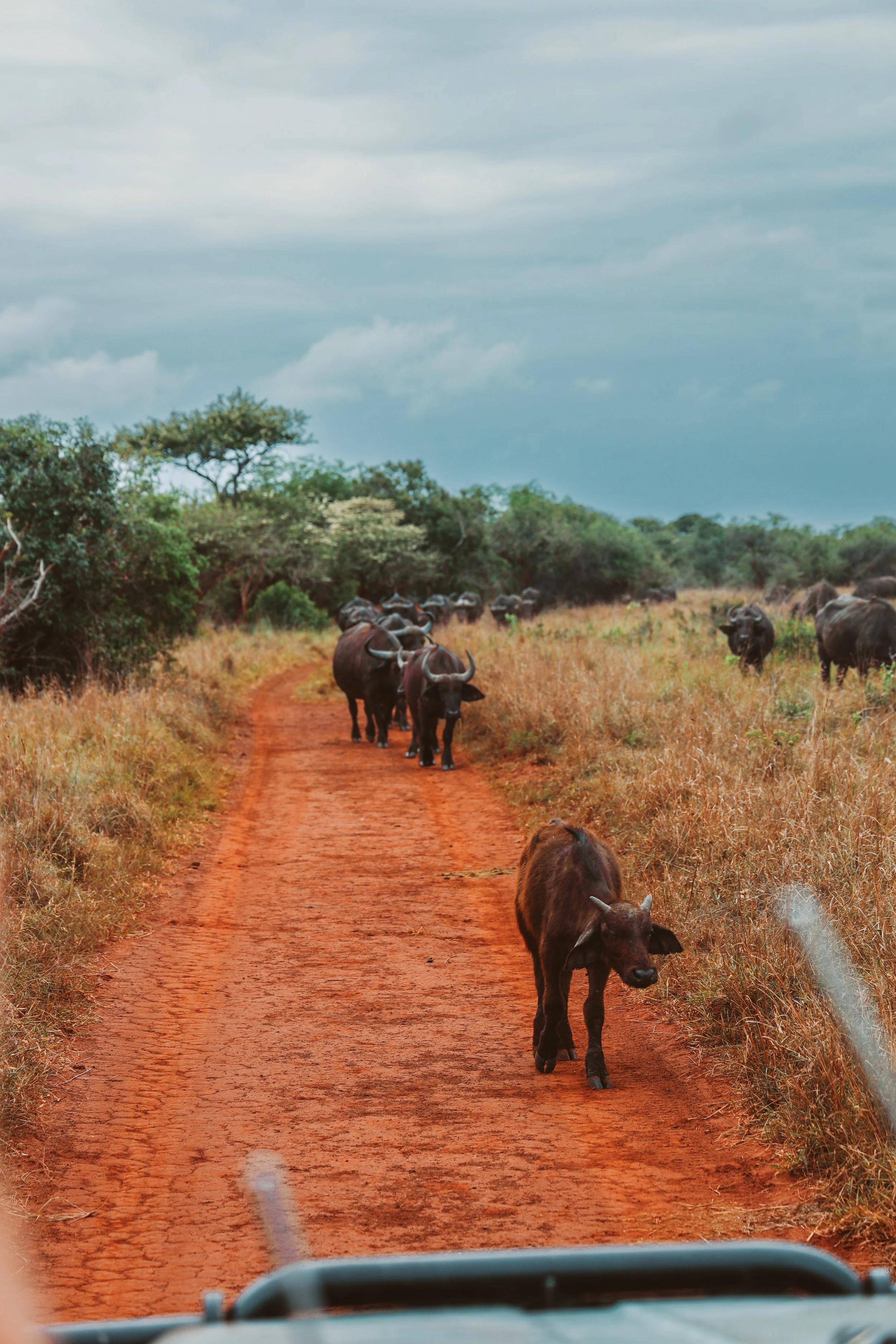
Before coming to South Africa, I resisted the idea of private reserves. I saw them as profit-driven, exploiting wildlife under the cover of protection. To me, conservation meant freedom, not fences.
But here, fences are the reality. The wild is fragmented, divided and with almost no land left untouched. In this landscape, reserves are not simply businesses, many are lifelines. Imperfect, yes, but essential. They hold fragile ecosystems together, protecting what remains in a fractured world.
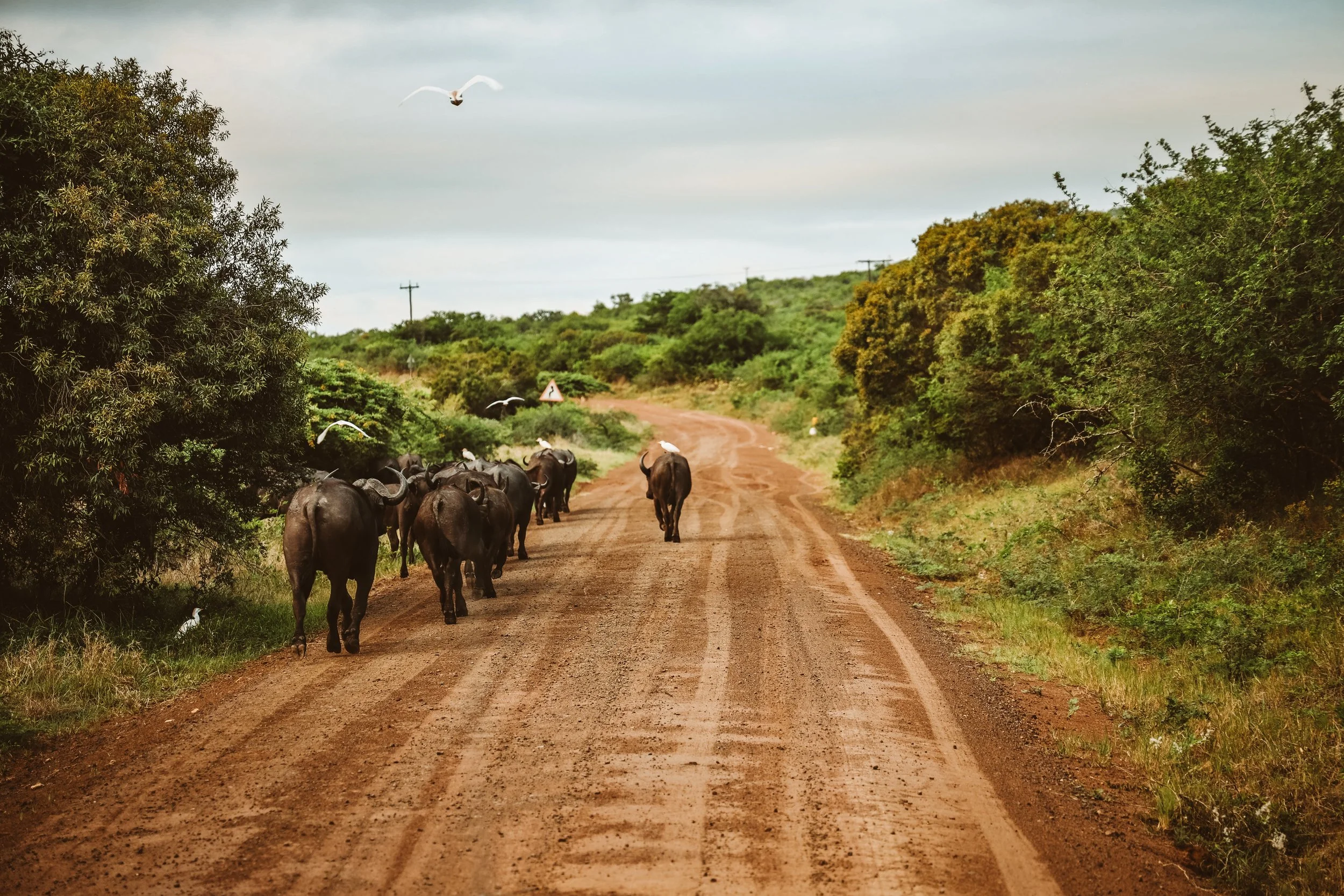
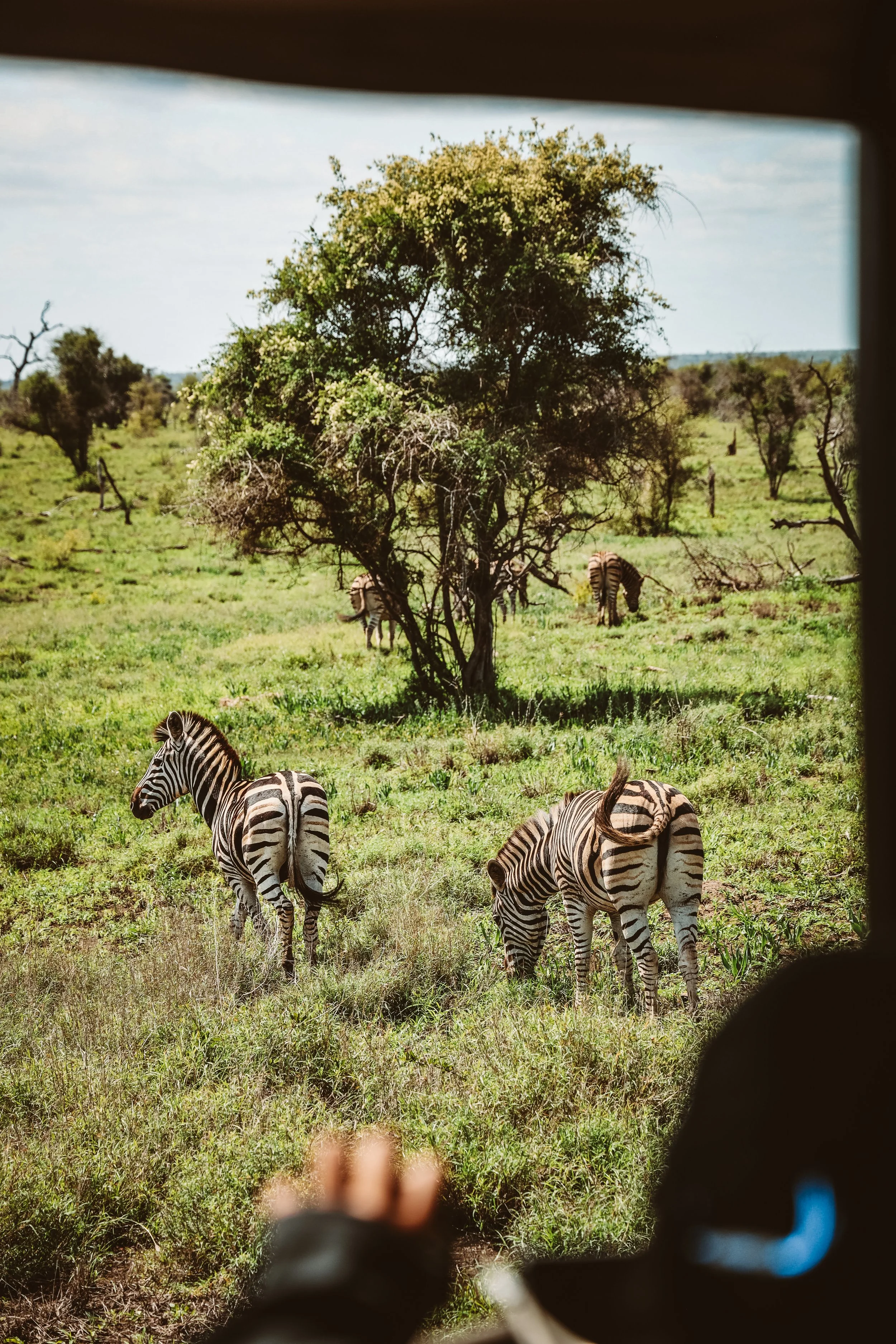
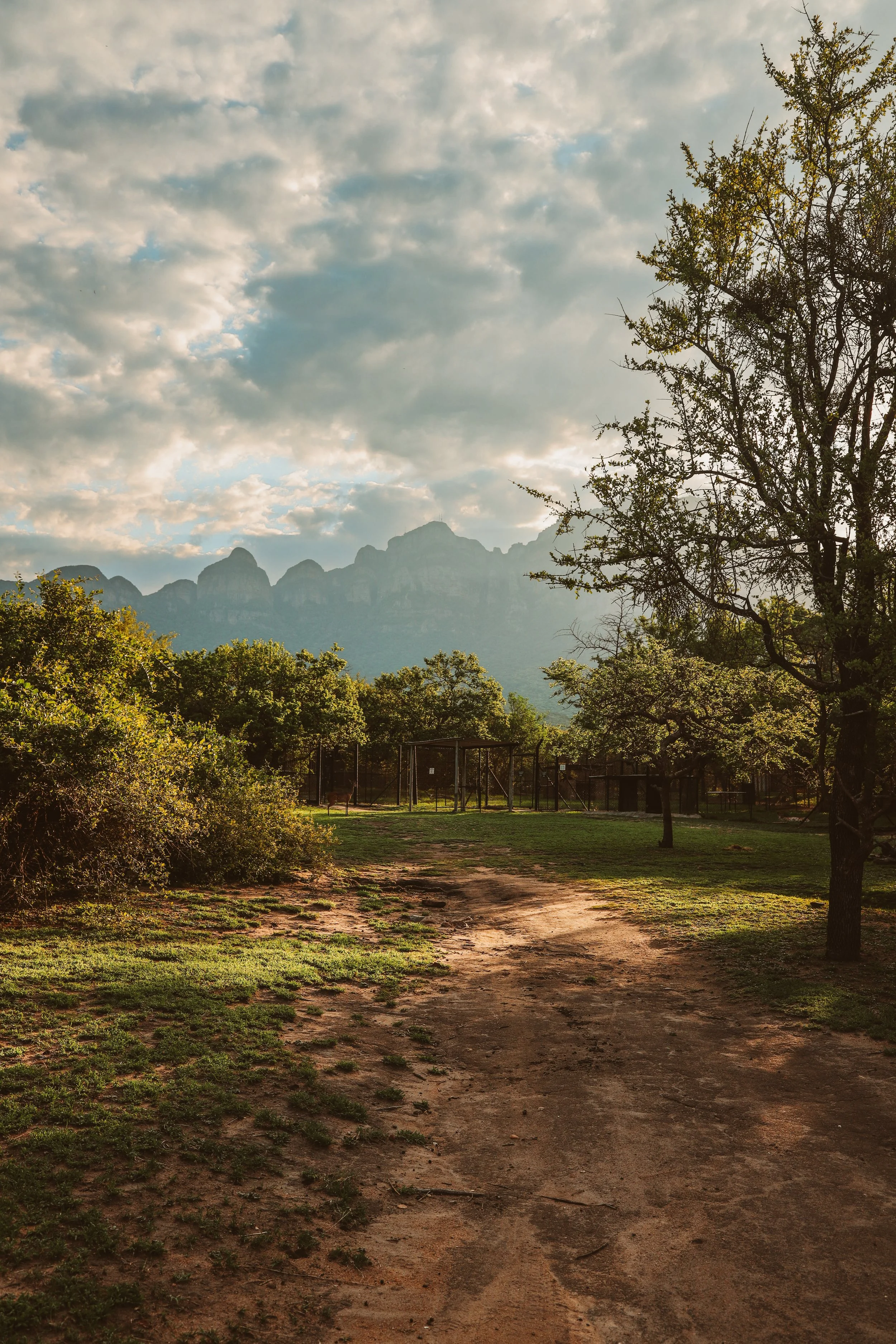
Moholoholo: Devotion Without Outcome
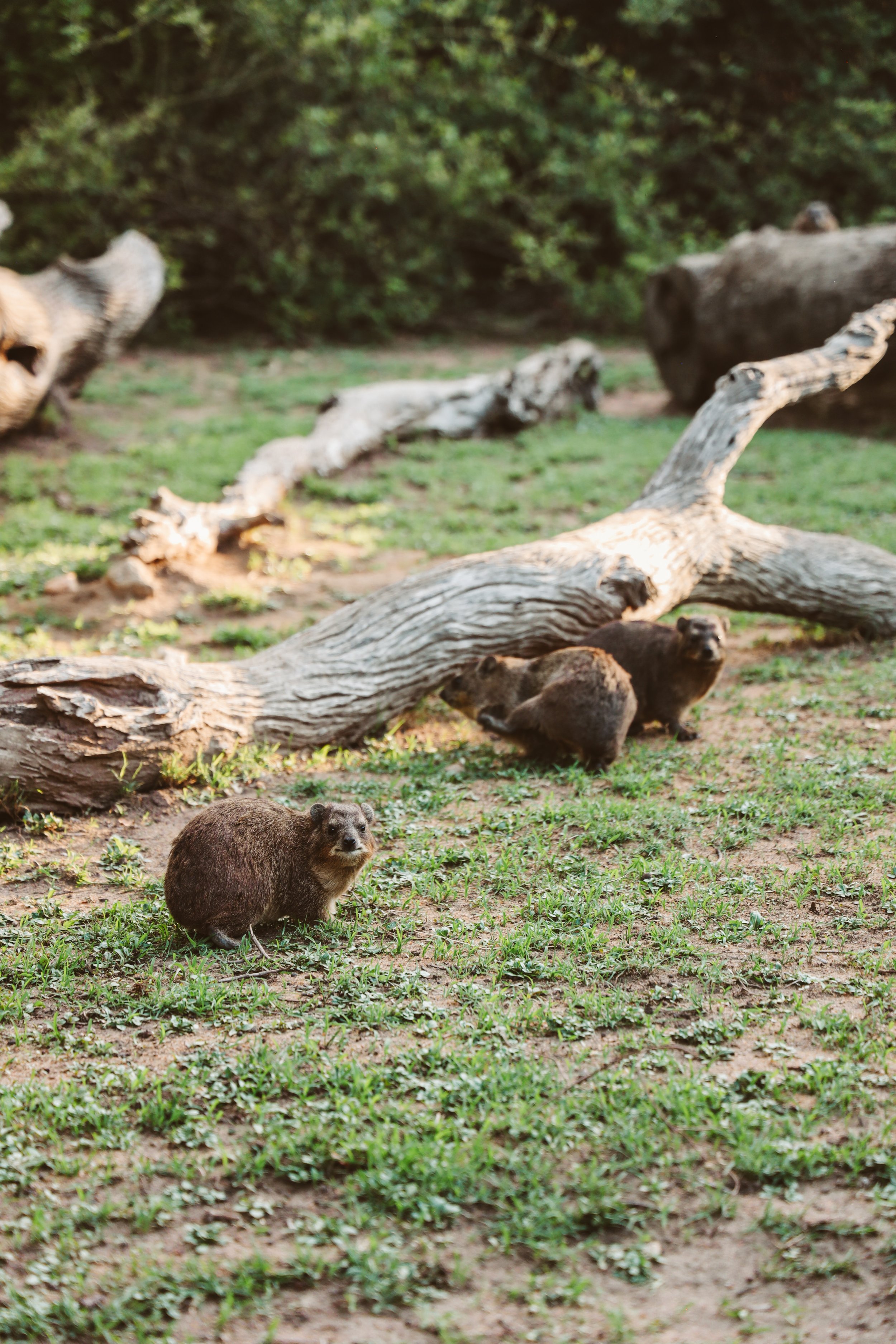
At Moholoholo Wildlife Rehabilitation Centre, beneath the Drakensberg mountains, I was immersed in the harsh reality facing wildlife in South Africa. I struggled to comprehend how such extraordinary creatures could meet such devastating fates at our hands.
Yet what struck me most was the devotion of the people who keep showing up anyway.
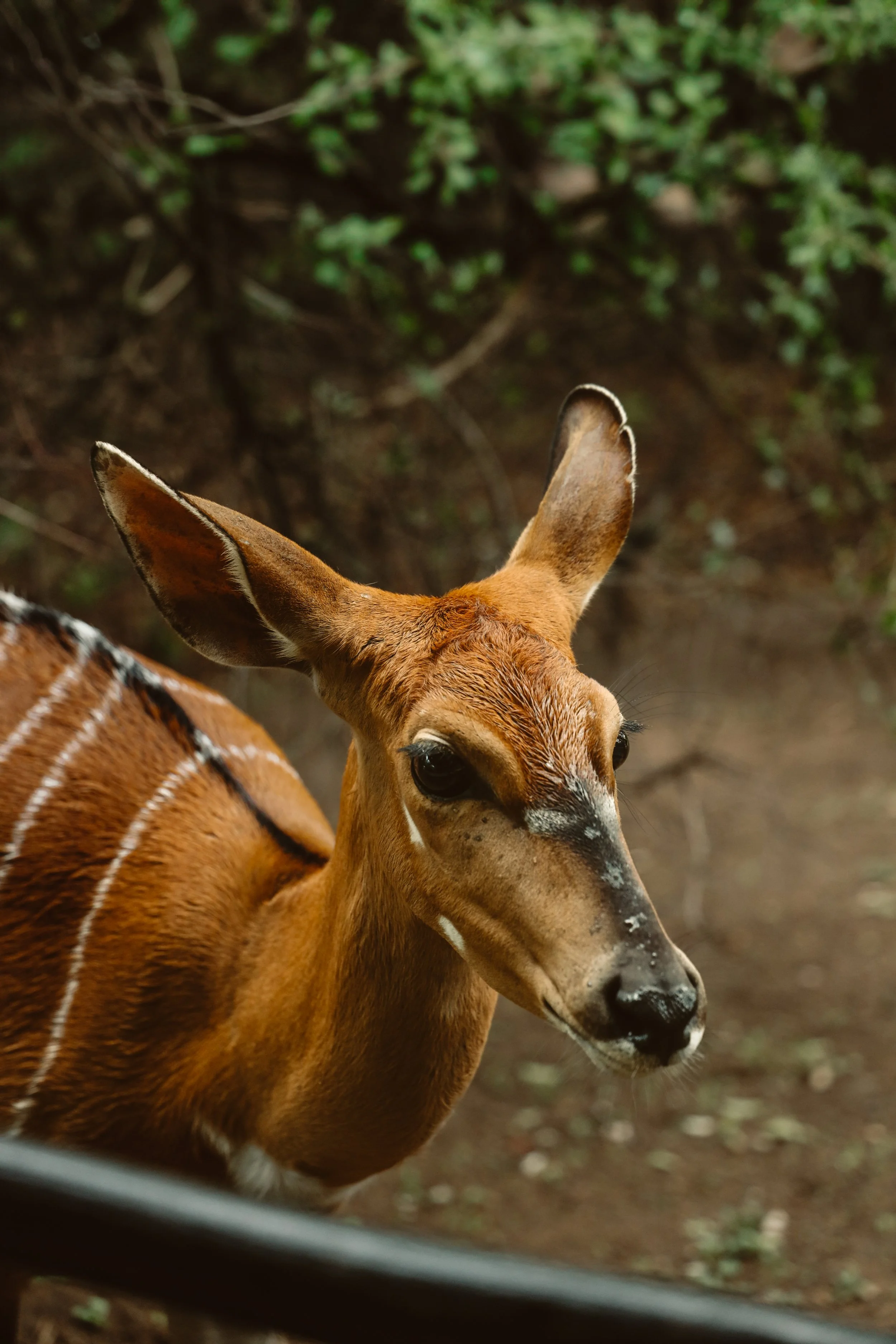
Animals arrived broken, snared, poisoned, orphaned and displaced. Baby hippos without mothers, a leopard and her cubs pushed too close to human homes and vultures poisoned by laced carcasses, victims of a trade that profits from death.
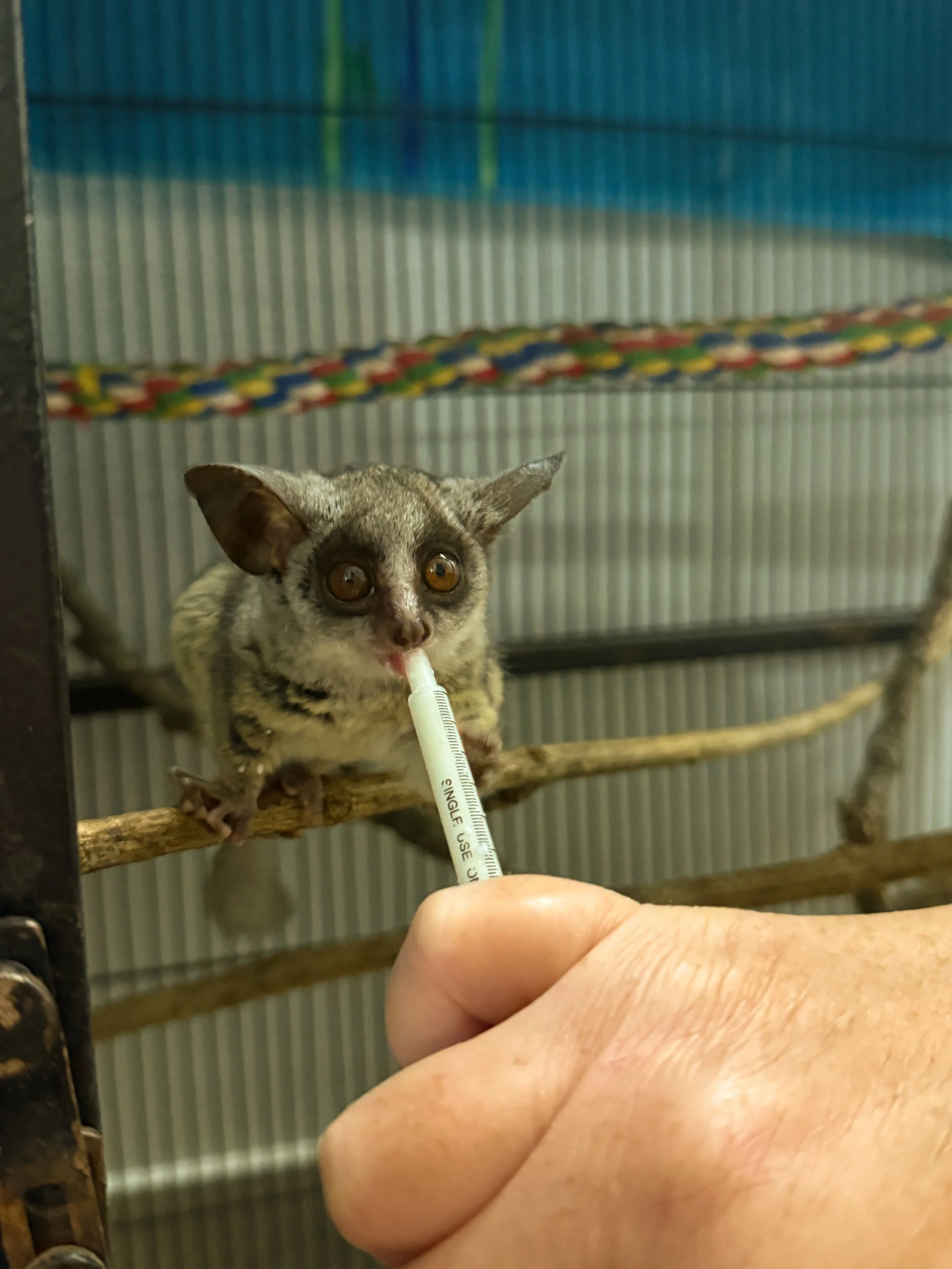
And every day, people showed up. They cleaned, fed, stitched and carried. They cradled dying animals and whispered comfort through the night. They covered their faces so wild eyes would not learn to trust the wrong species. Every waking hour was spent trying to undo, as best they could, the damage inflicted by others of our kind.
There is no glory in this work. No spotlight. No promise of success. It is physically exhausting, emotionally devastating and often ends in heartbreak. But it is work of the purest kind, work that keeps a heart beating a little longer, offering dignity and comfort when it cannot offer freedom.
At Moholoholo, I learned that grief and devotion are inseparable. Every animal carried a story shaped by human conflict. And still, people showed up.
Phinda: The Return
Then came Phinda Private Game Reserve in KwaZulu-Natal, a place whose name means the return.
The return of wildlife.
The return of people.
The return of balance.
Here, I saw what conservation looks like when land is protected with people, not from or for them. Local Zulu communities are not excluded but empowered. Jobs, education and cultural pride flow back into surrounding villages. People and wildlife are woven into the same story, one of shared restoration.
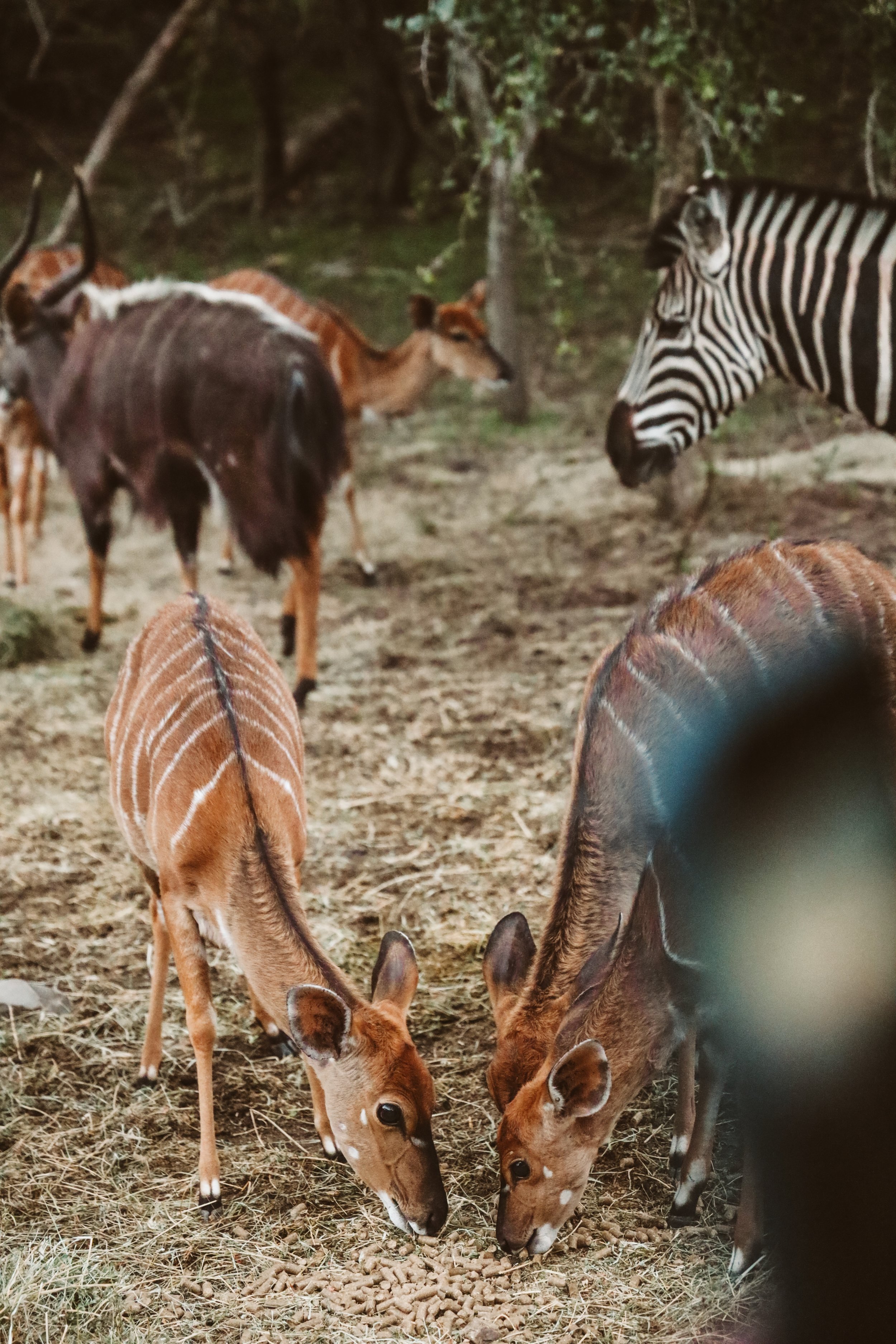
A local Zulu man spoke of Phinda with gratitude and hope. He told us this land had once been taken, stripped of both nature and community. Today, it has been returned and restored. Lions, cheetahs, elephants, pangolins and rhinos have come back. So have the people who belong here.
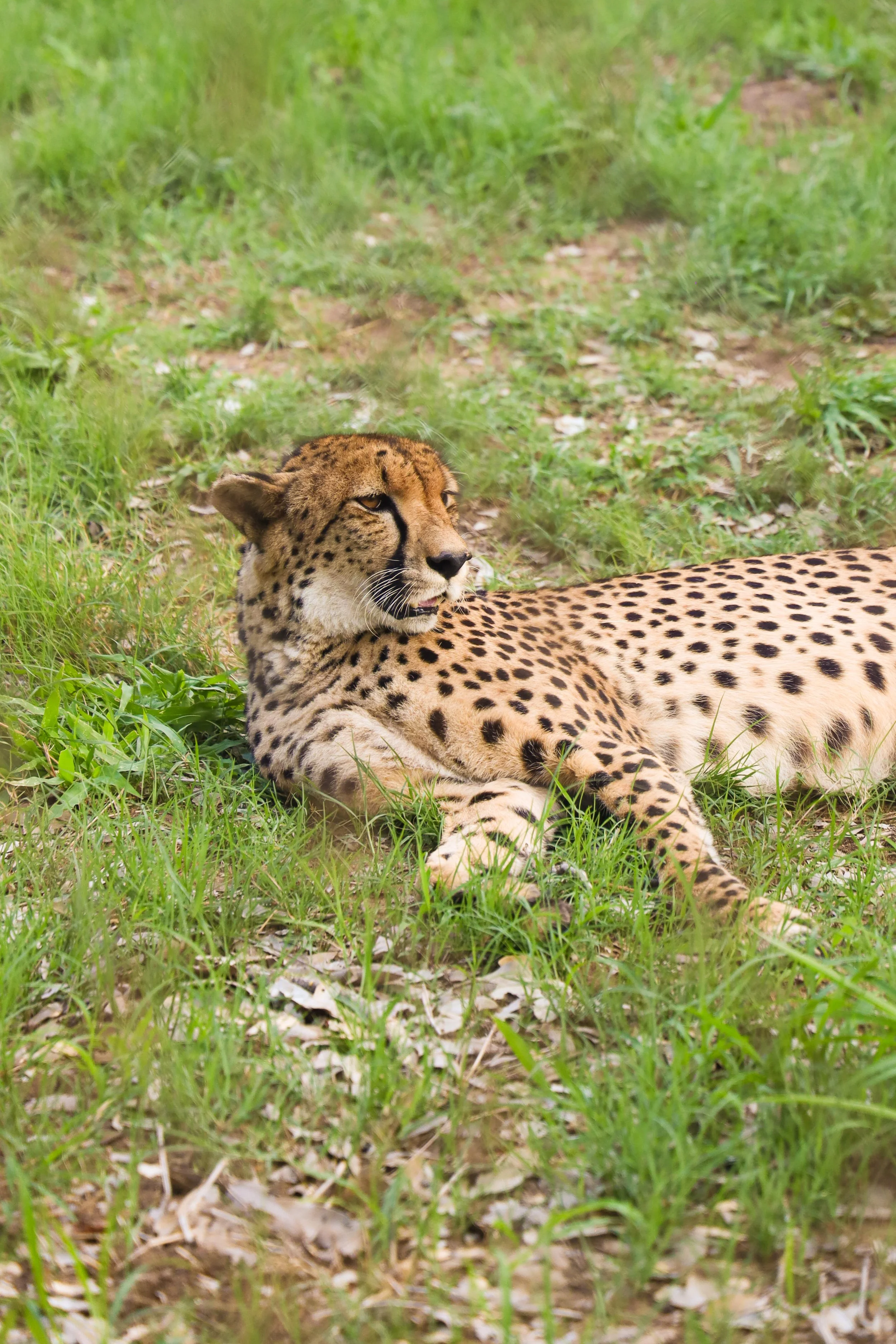
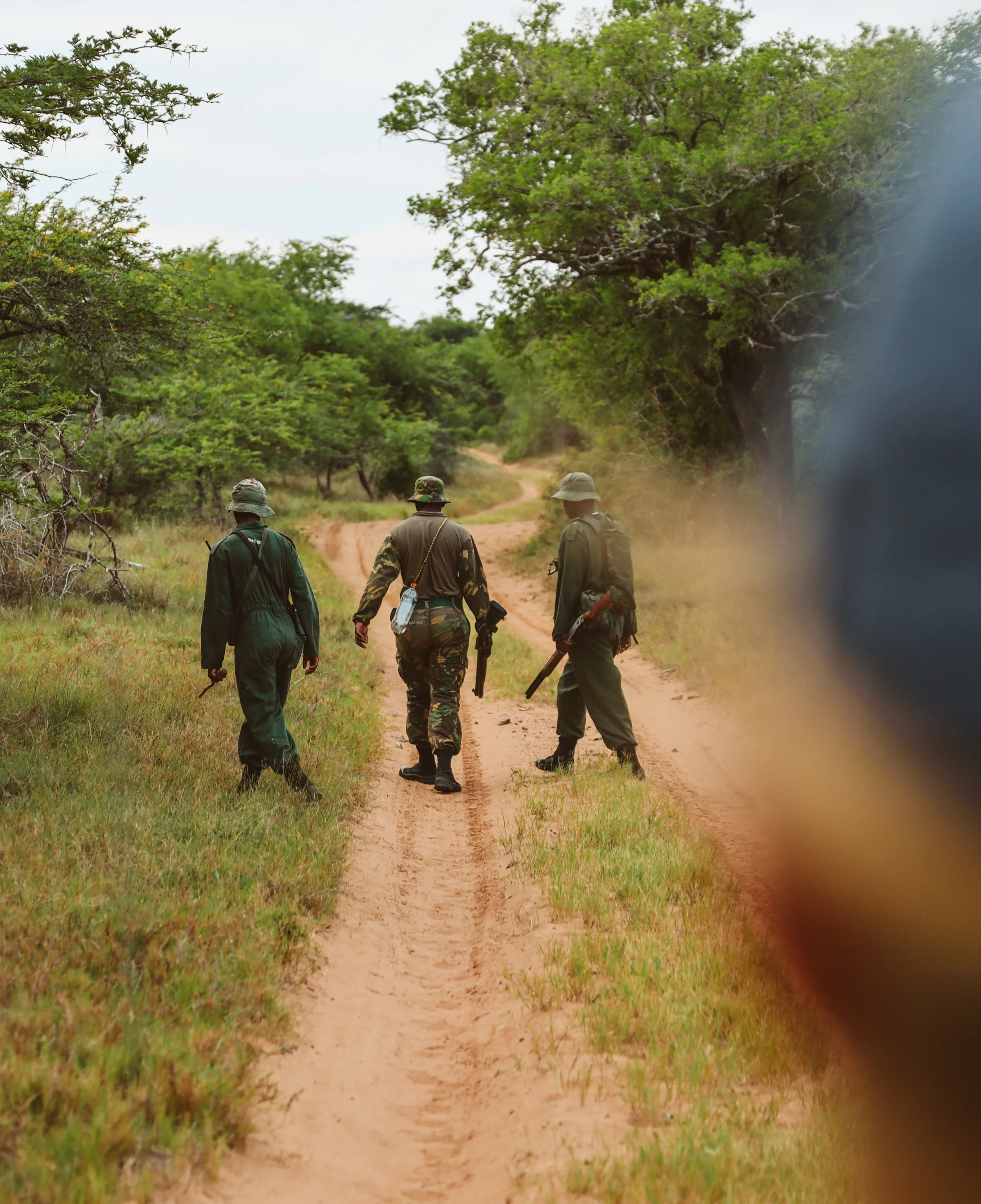
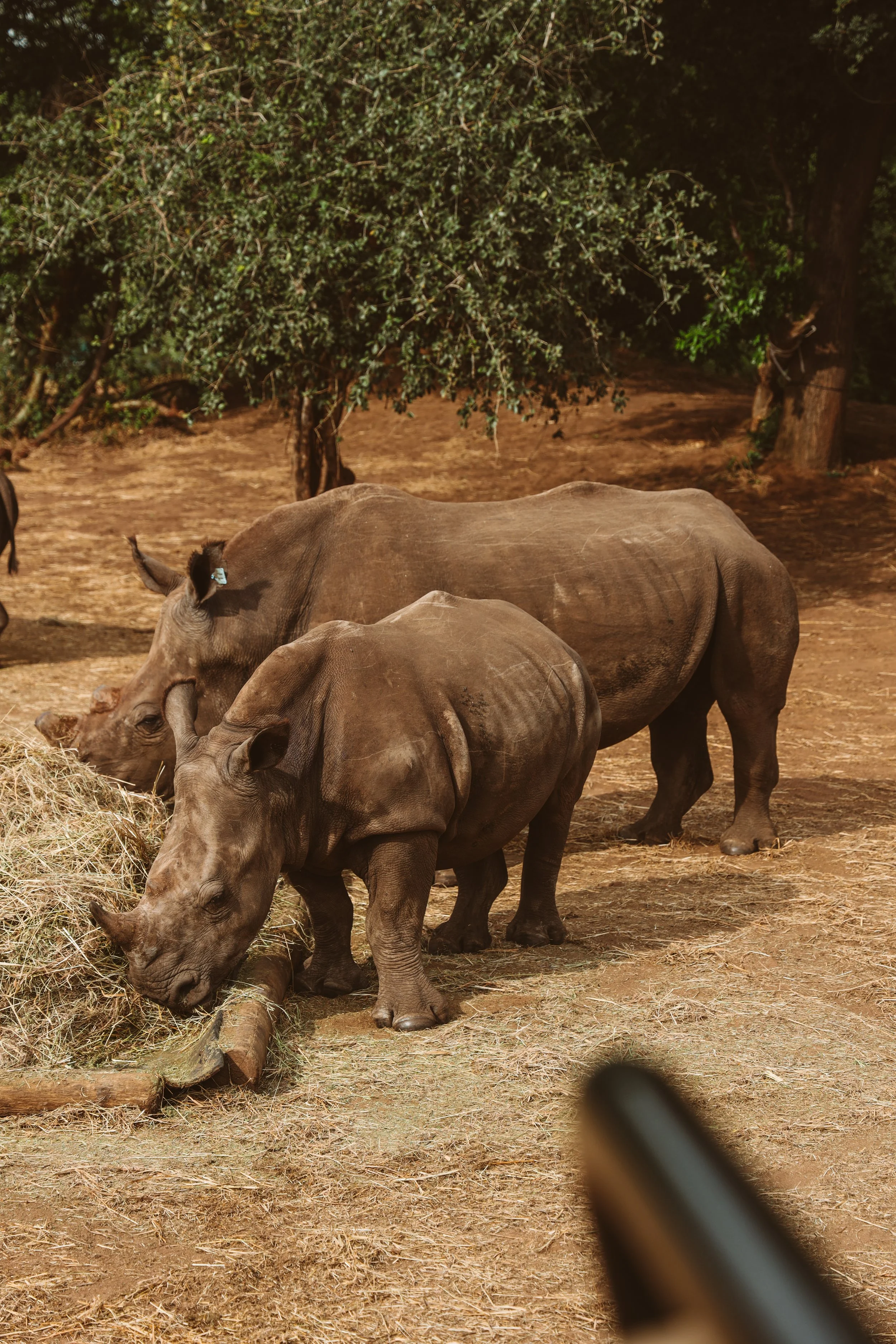
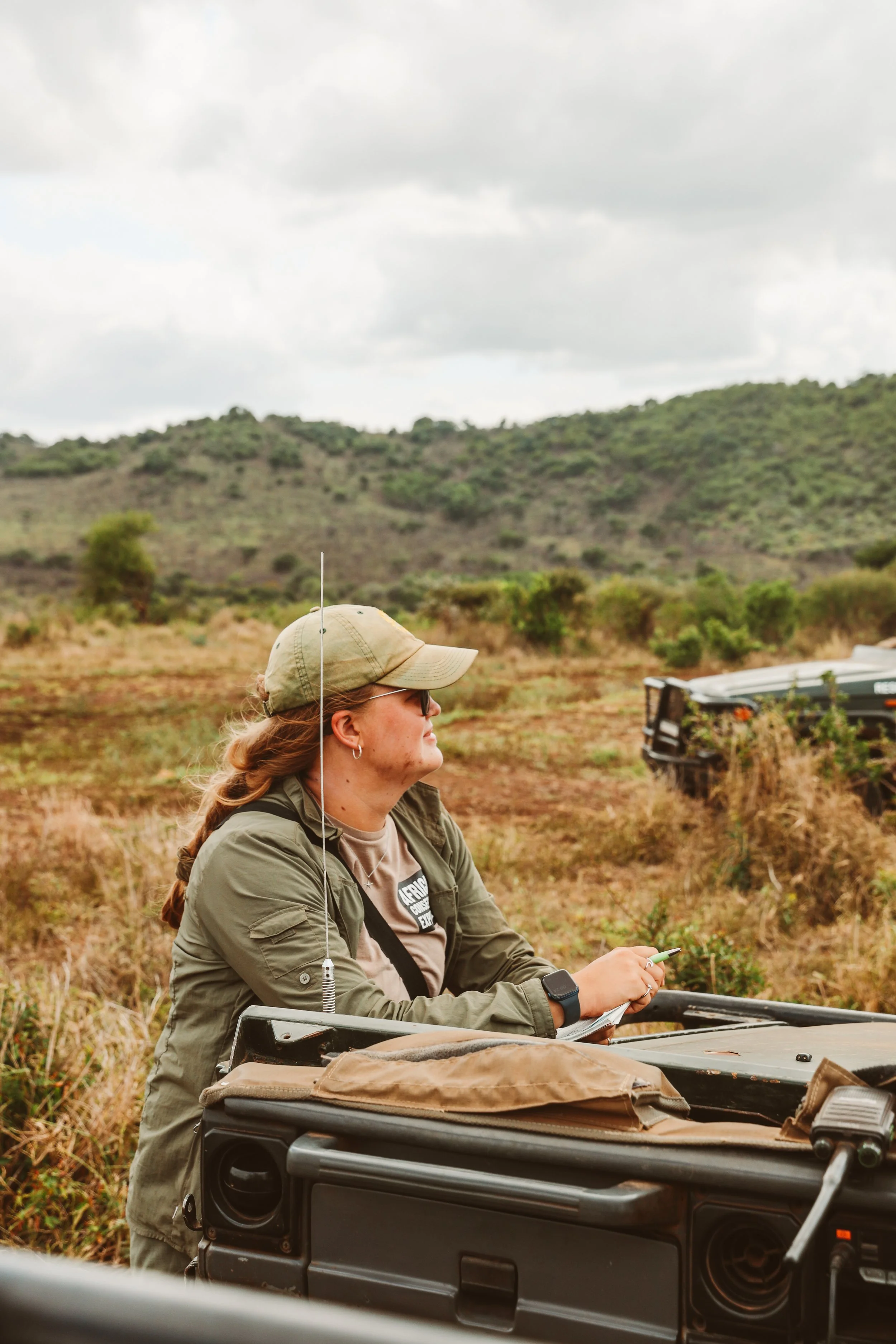
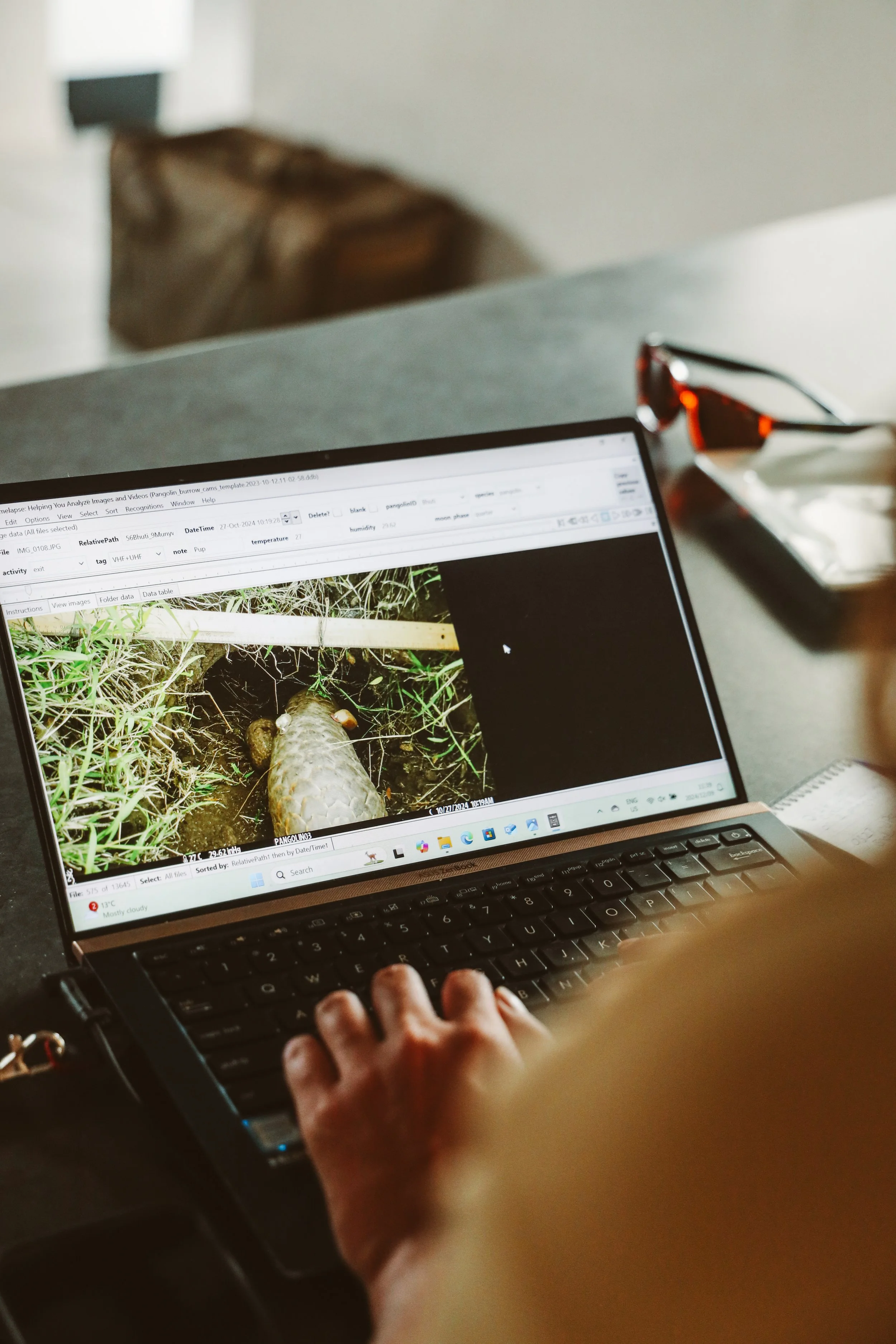
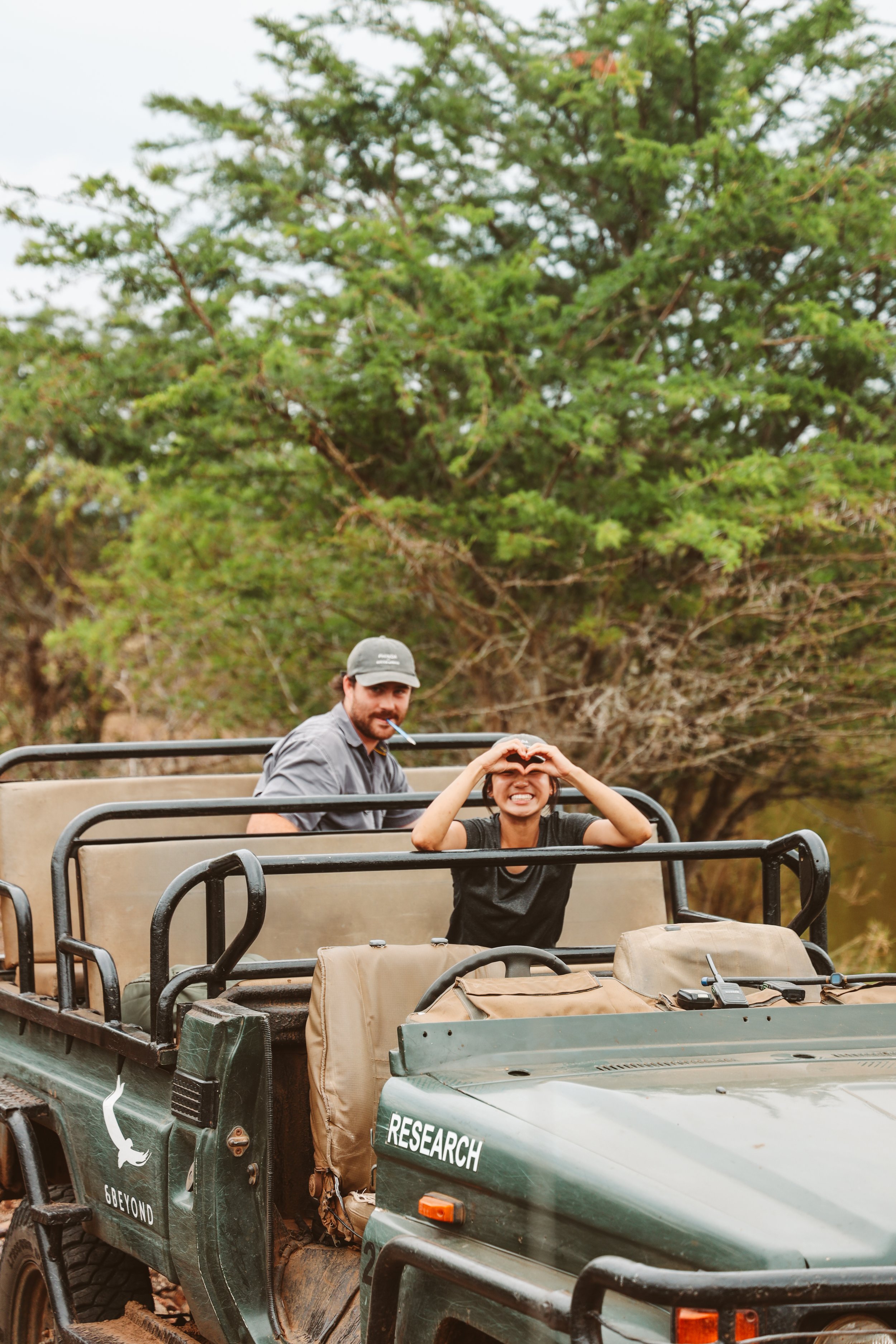
Working with the Phinda Wildlife Research Project, I helped track rhinos, monitor lions, assist with anti-poaching efforts and study cheetah populations. I watched a rhino sedated from a helicopter, blindfolded and lifted to safety, its immense weight carried by people determined to give the species another chance. I reviewed camera footage of pangolin mothers and their young, moments so rare they felt sacred.
A young researcher had spent five years following the same herd of elephants. He spoke of them with reverence, like family. He dreamed of the day fences might be lifted and ancient migration routes restored.
“I will never leave her,” he said of Africa. “There is so much more to be done.”
That devotion moved me more than any landscape ever could.
The Power of People
Between long days in the field and quiet nights of care, I discovered something as powerful as the wildlife itself: the people.
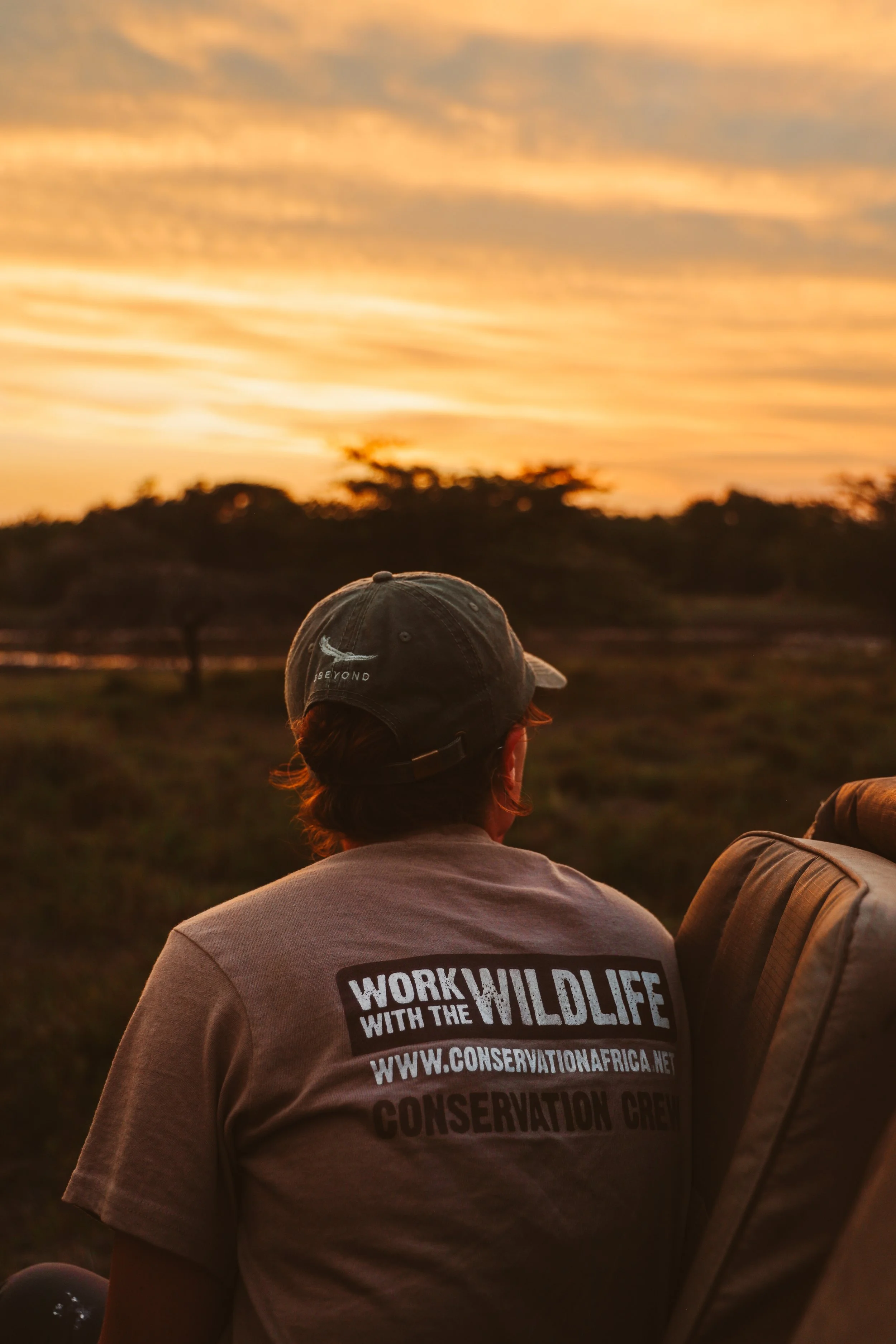
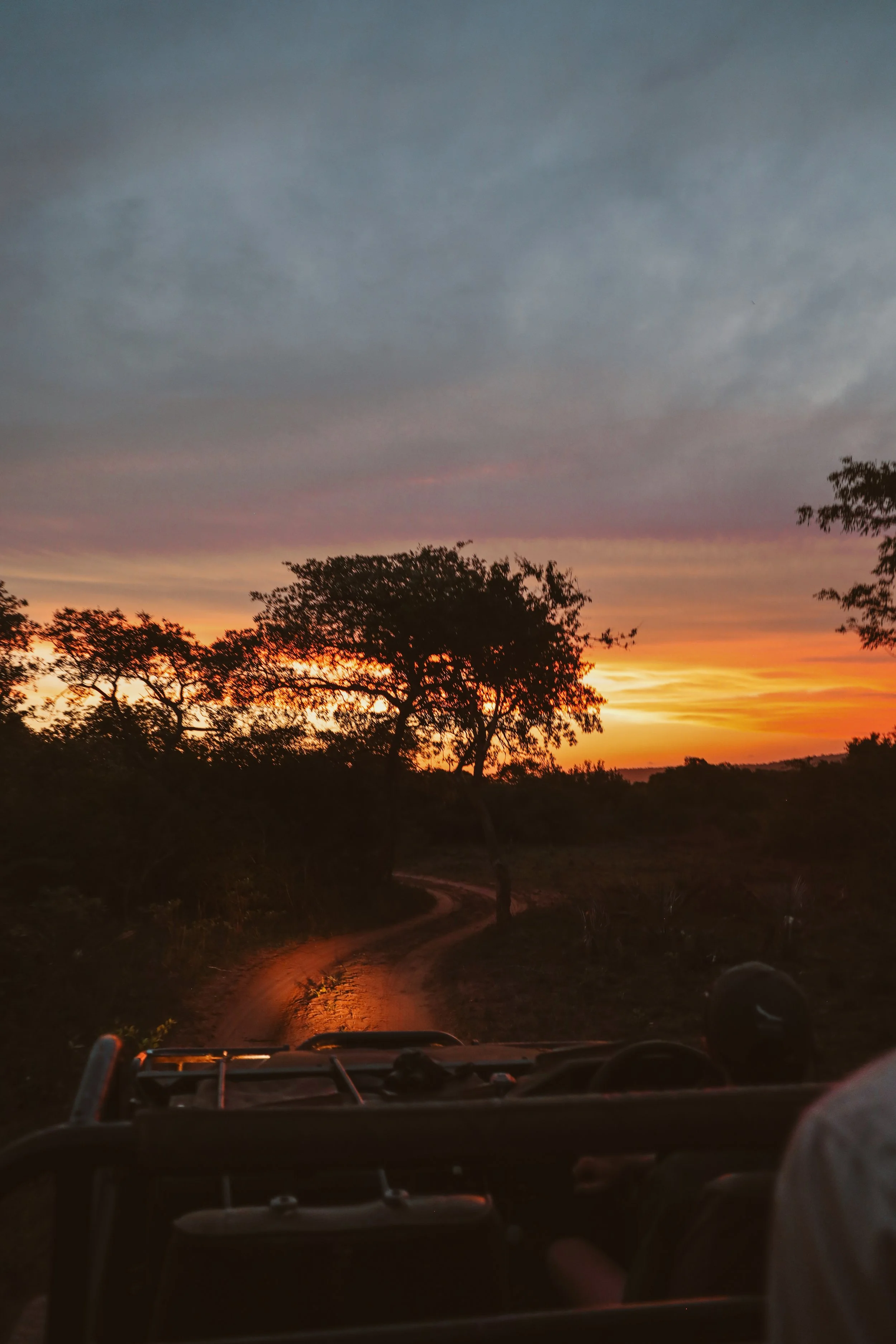
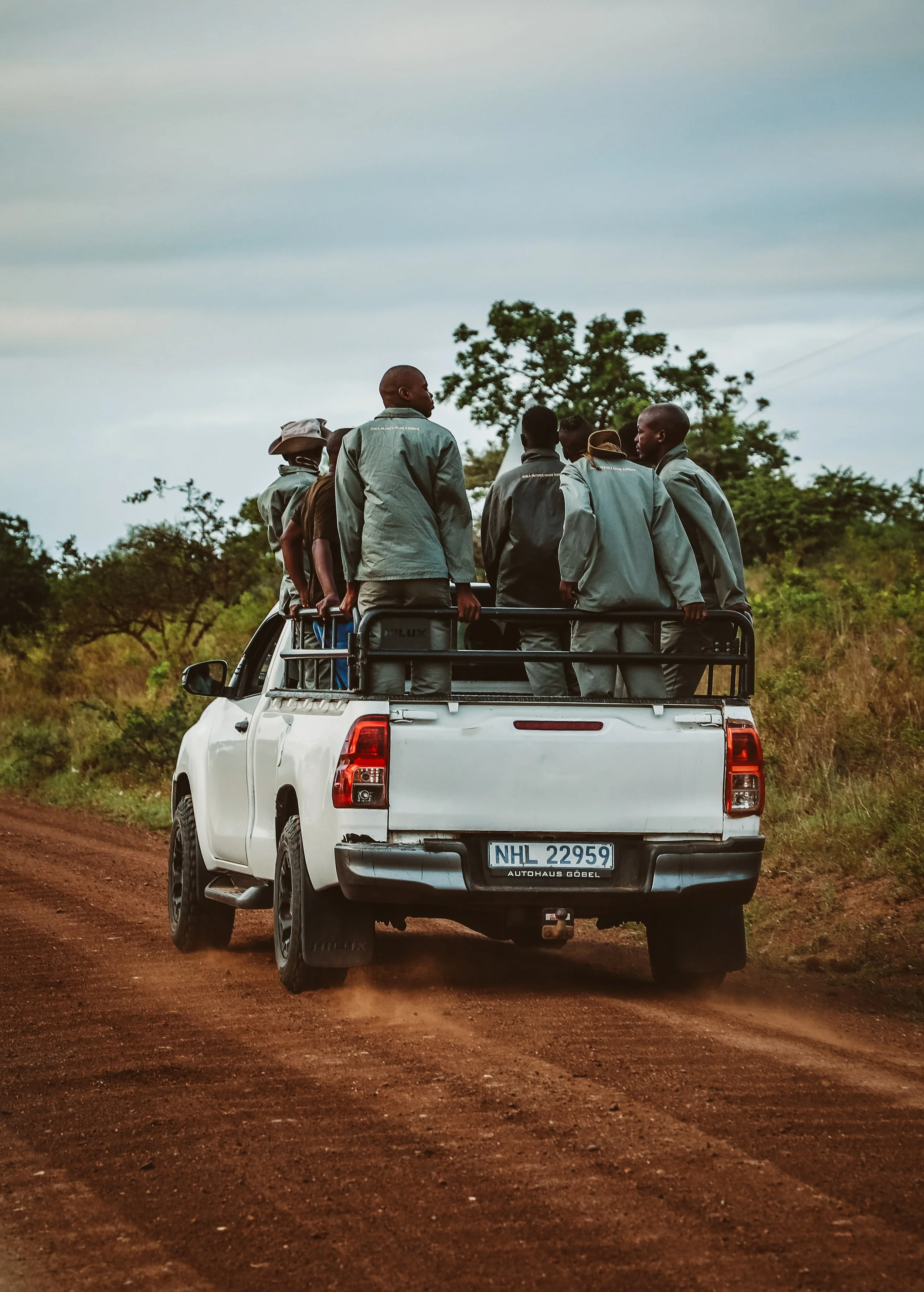
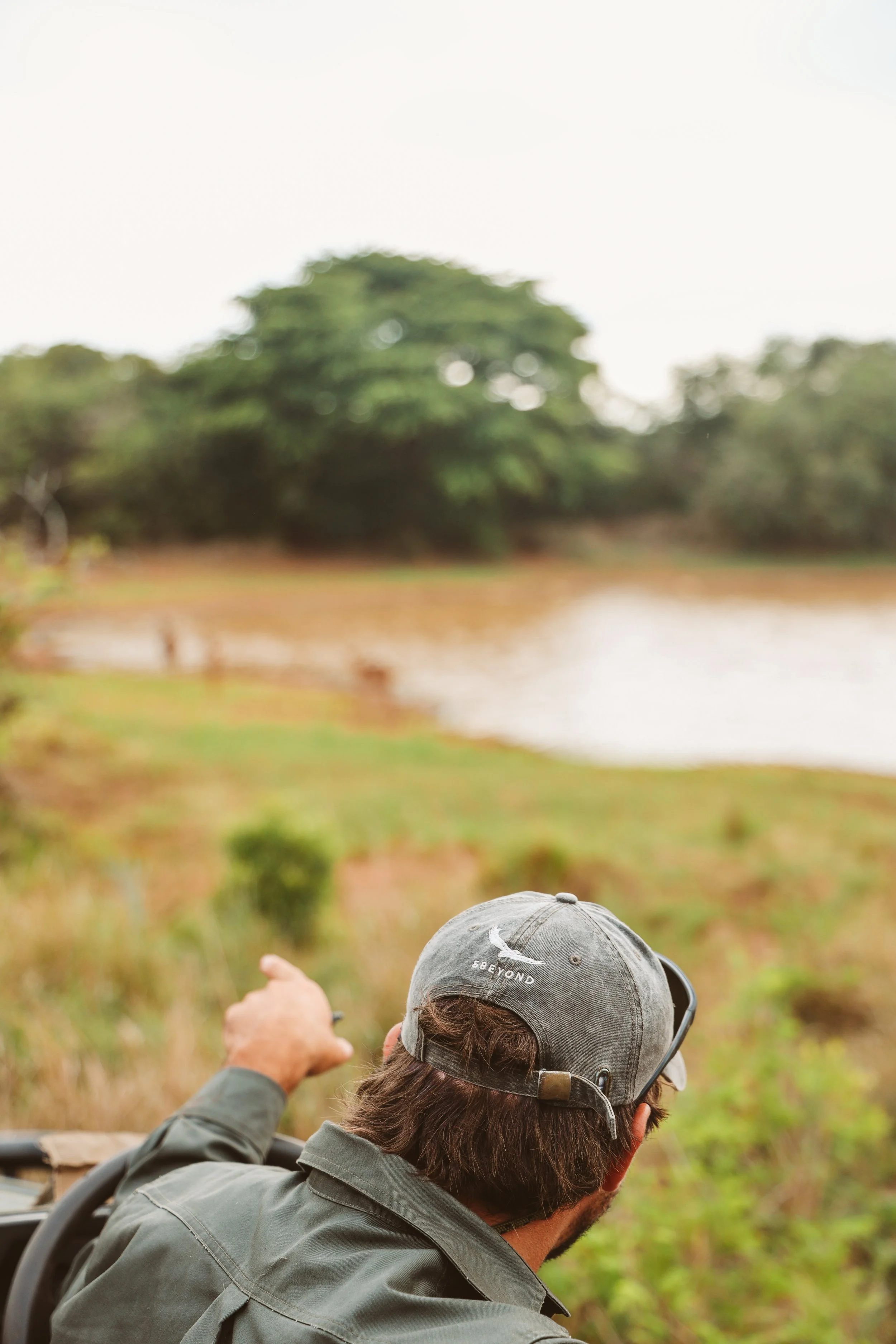
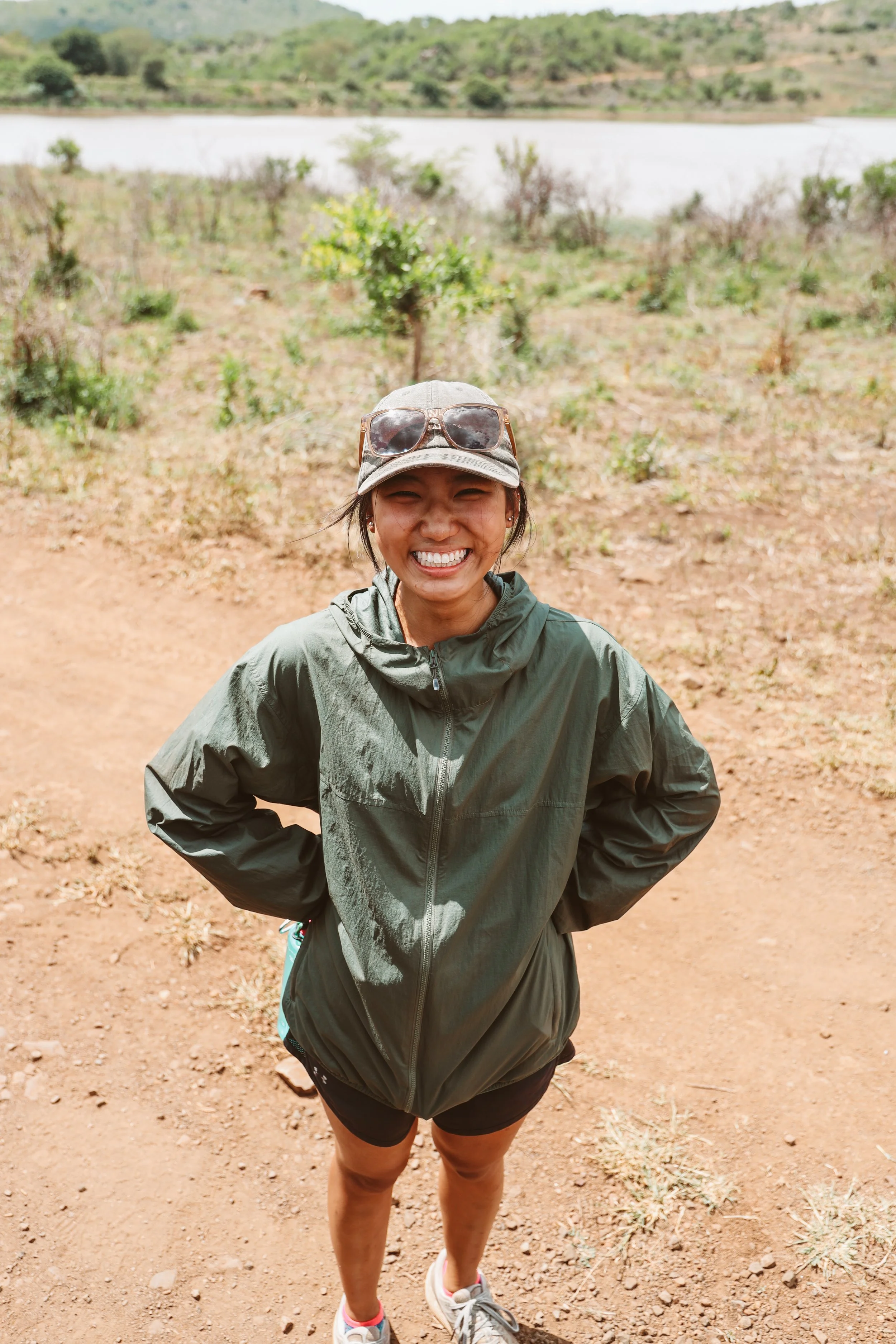
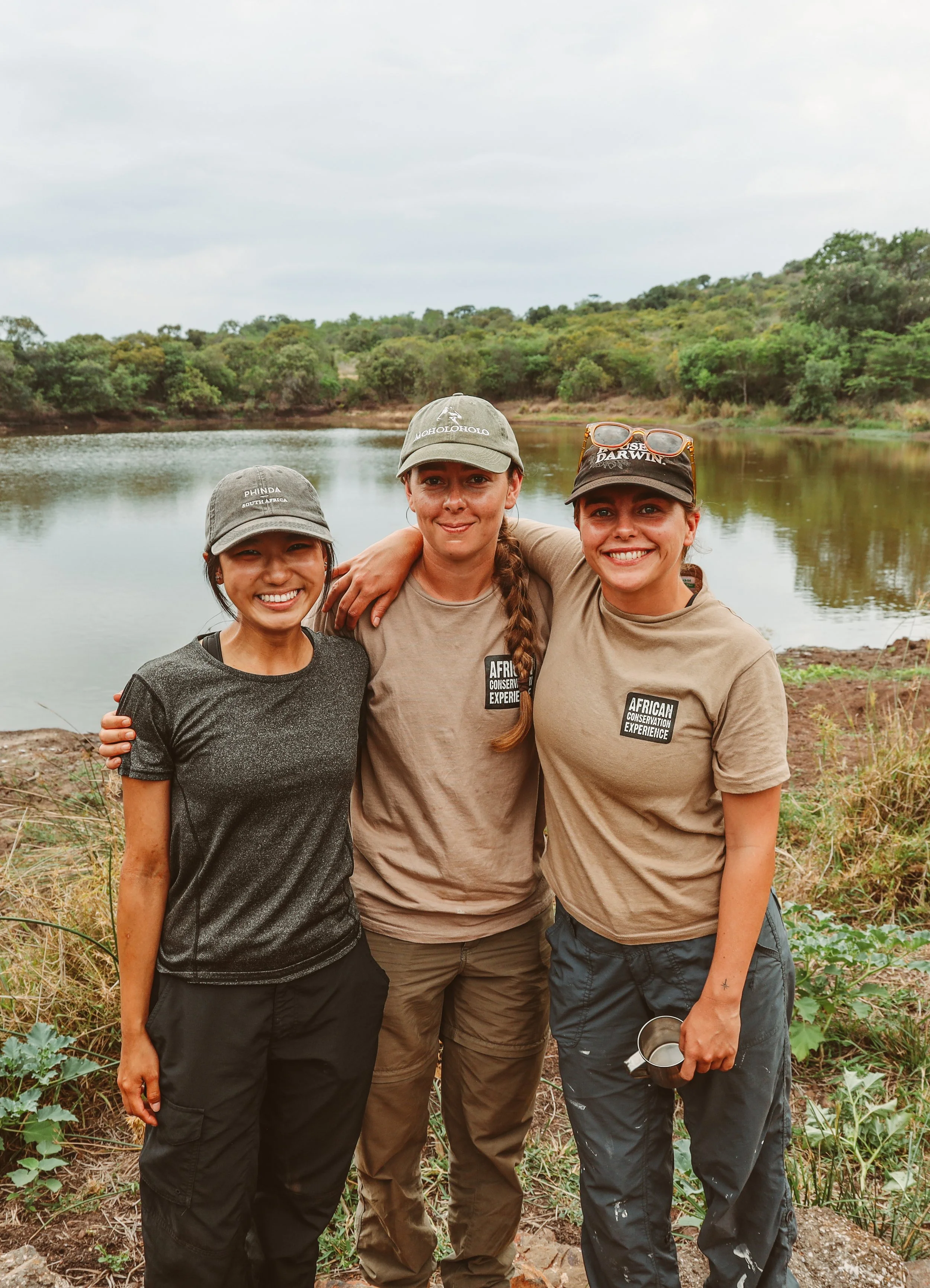
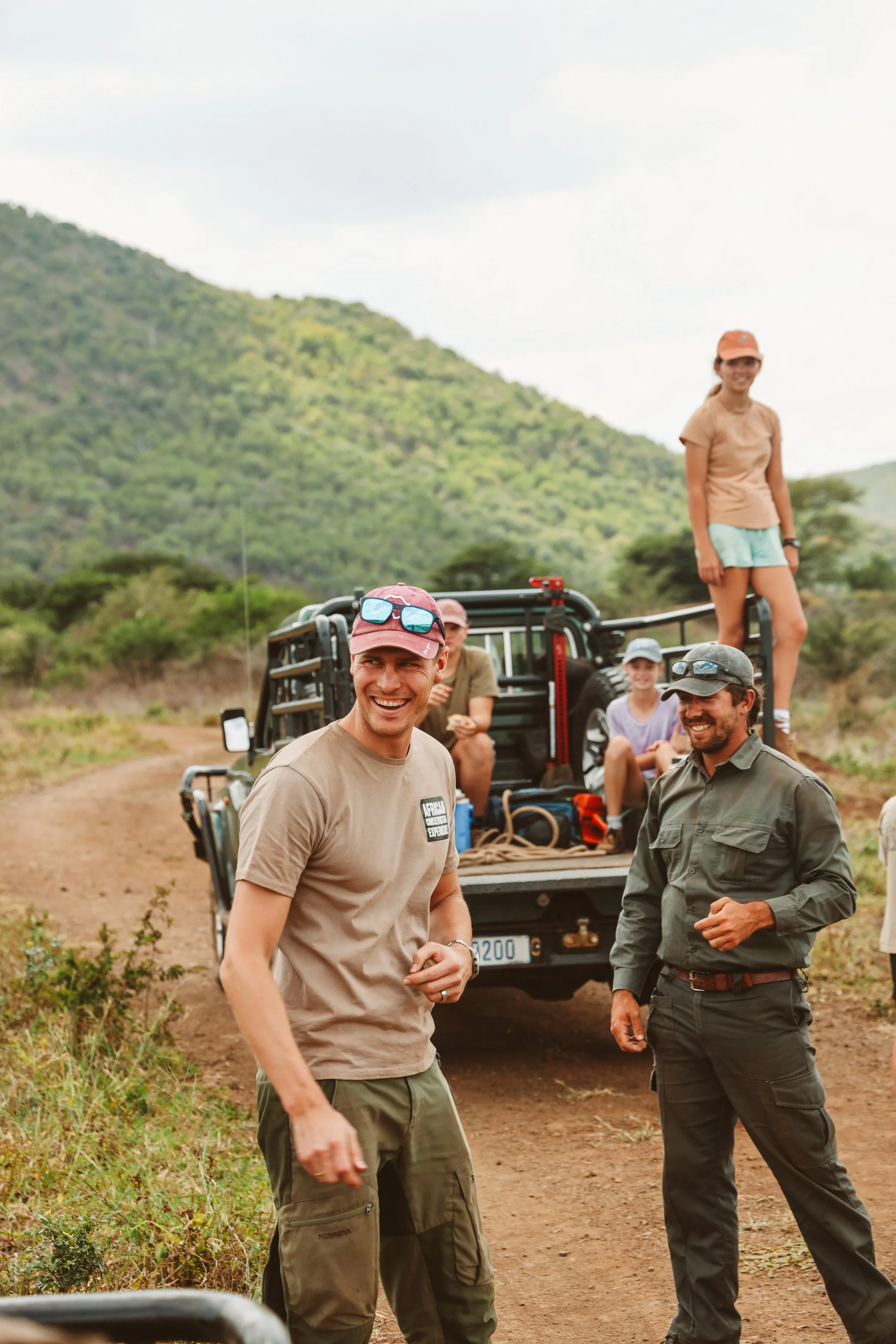
On dawn rounds, in dusty jeeps and under vast African skies, I stood alongside volunteers from all corners of the world. Different cultures, languages and beliefs, yet connected by the same desire to help, to understand and to reconnect.
We laughed, shared meals, music, stories of home and witnessed together both heartbreak and beauty. In those fleeting moments of shared humanity, I felt hope. Hope that empathy can cross boundaries, and that connection can be rebuilt.
Beyond Conservation
South Africa showed me what happens when connection is lost, between people and land, animals and habitat and progress and compassion.
But it also showed me what becomes possible when those connections are restored.
At Moholoholo, I saw devotion without outcome.
At Phinda, I saw restoration without division.
Among volunteers, I saw care without borders.
These are the threads that hold our future together, not fences or laws alone, but compassion, belonging and responsibility.
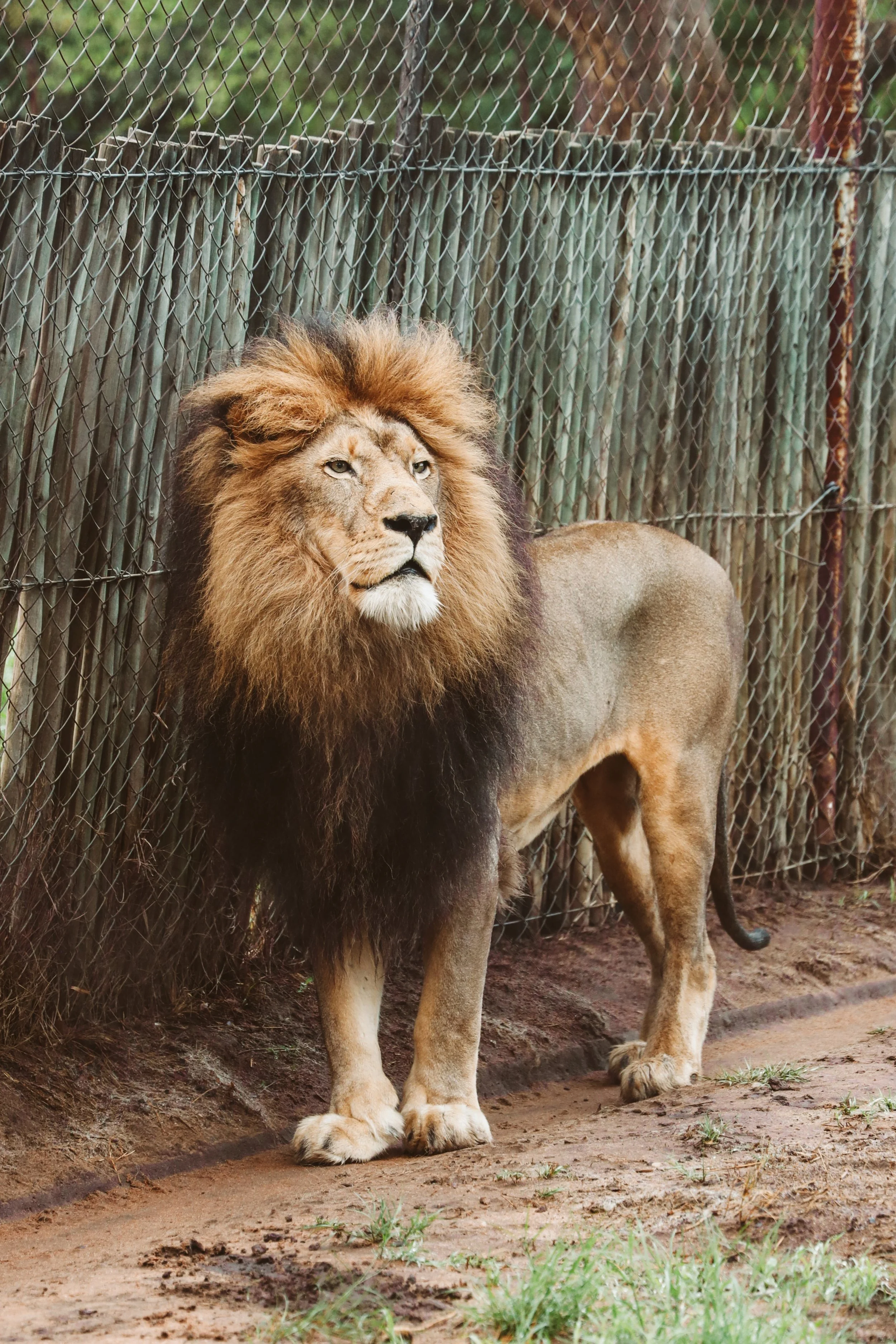
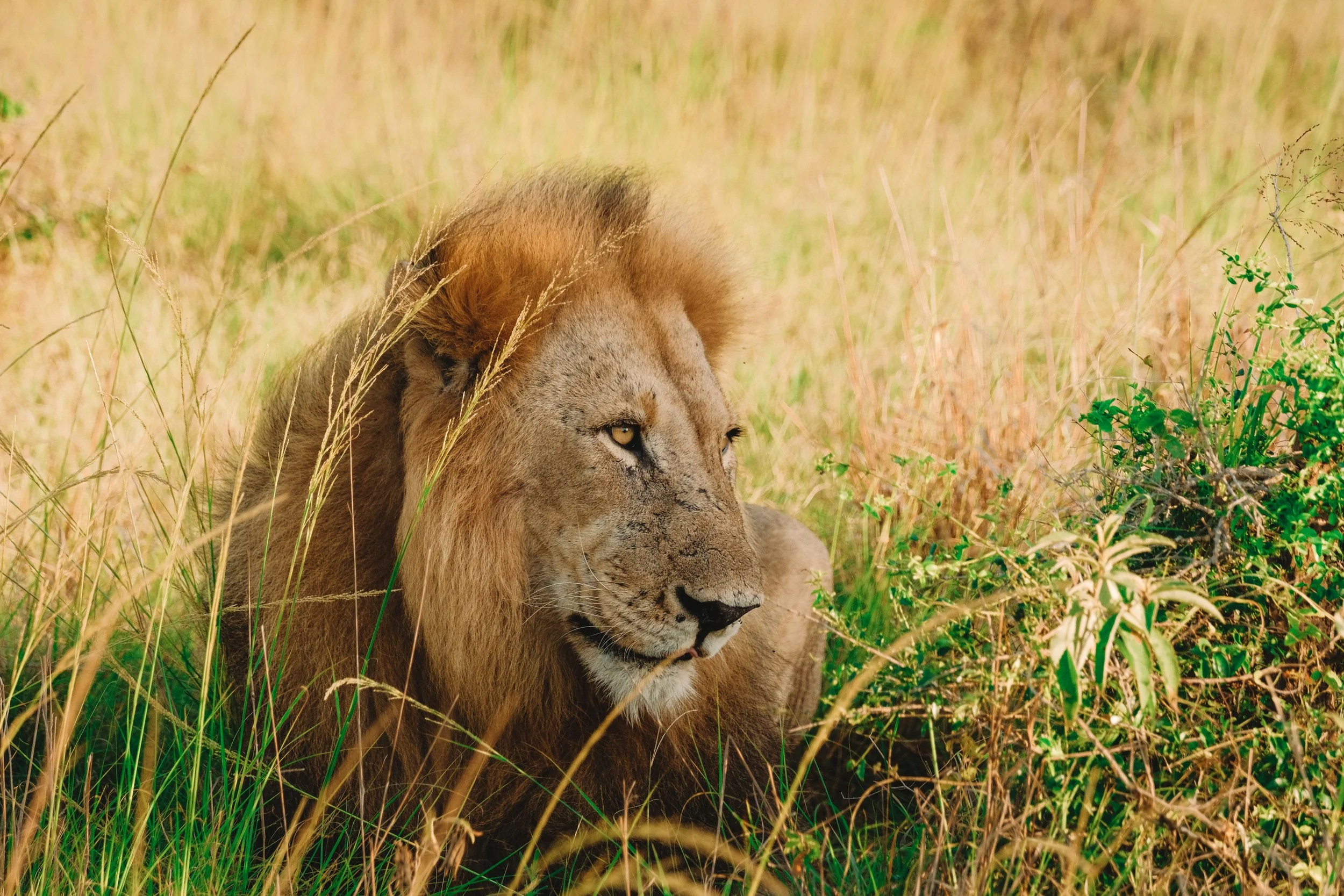
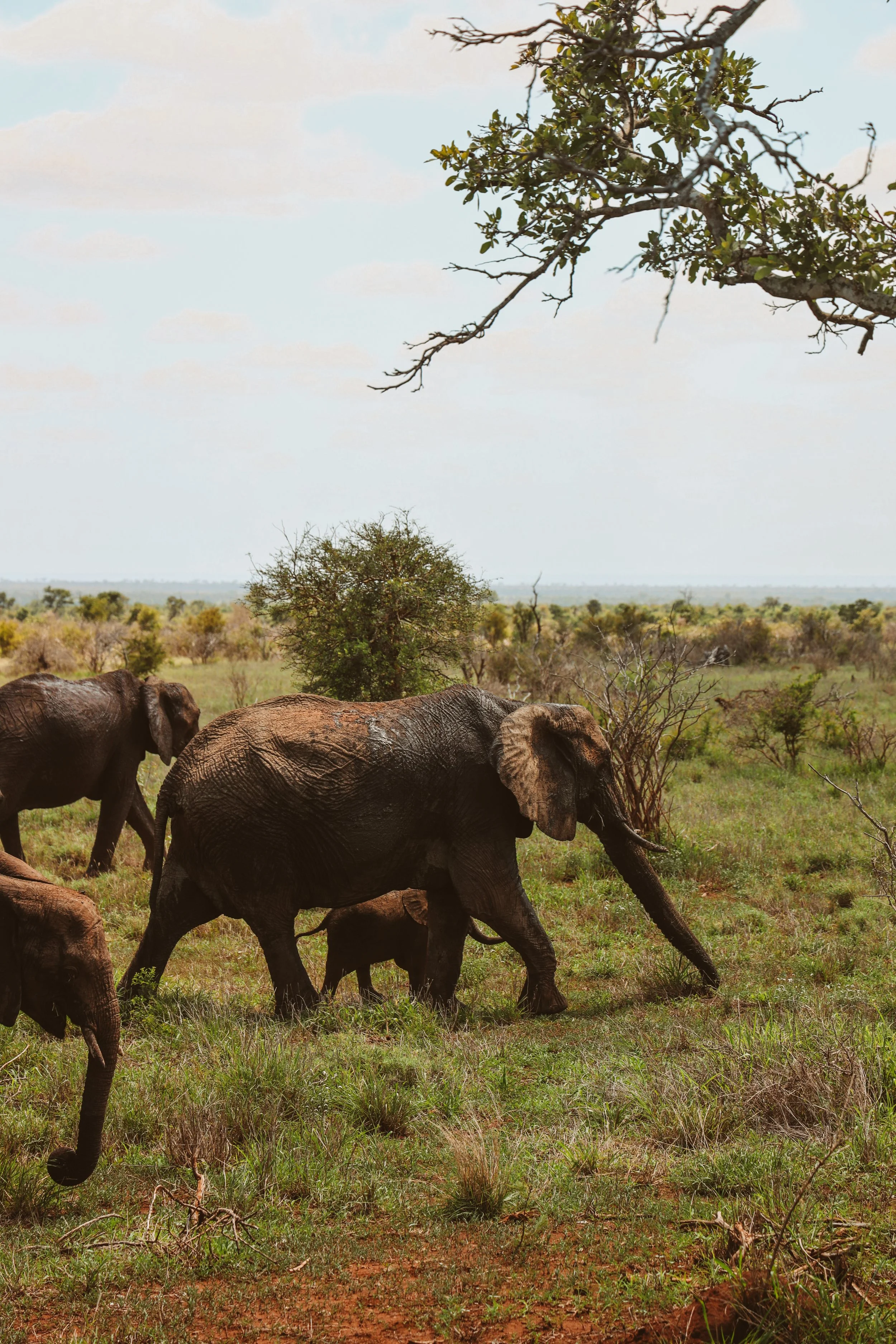
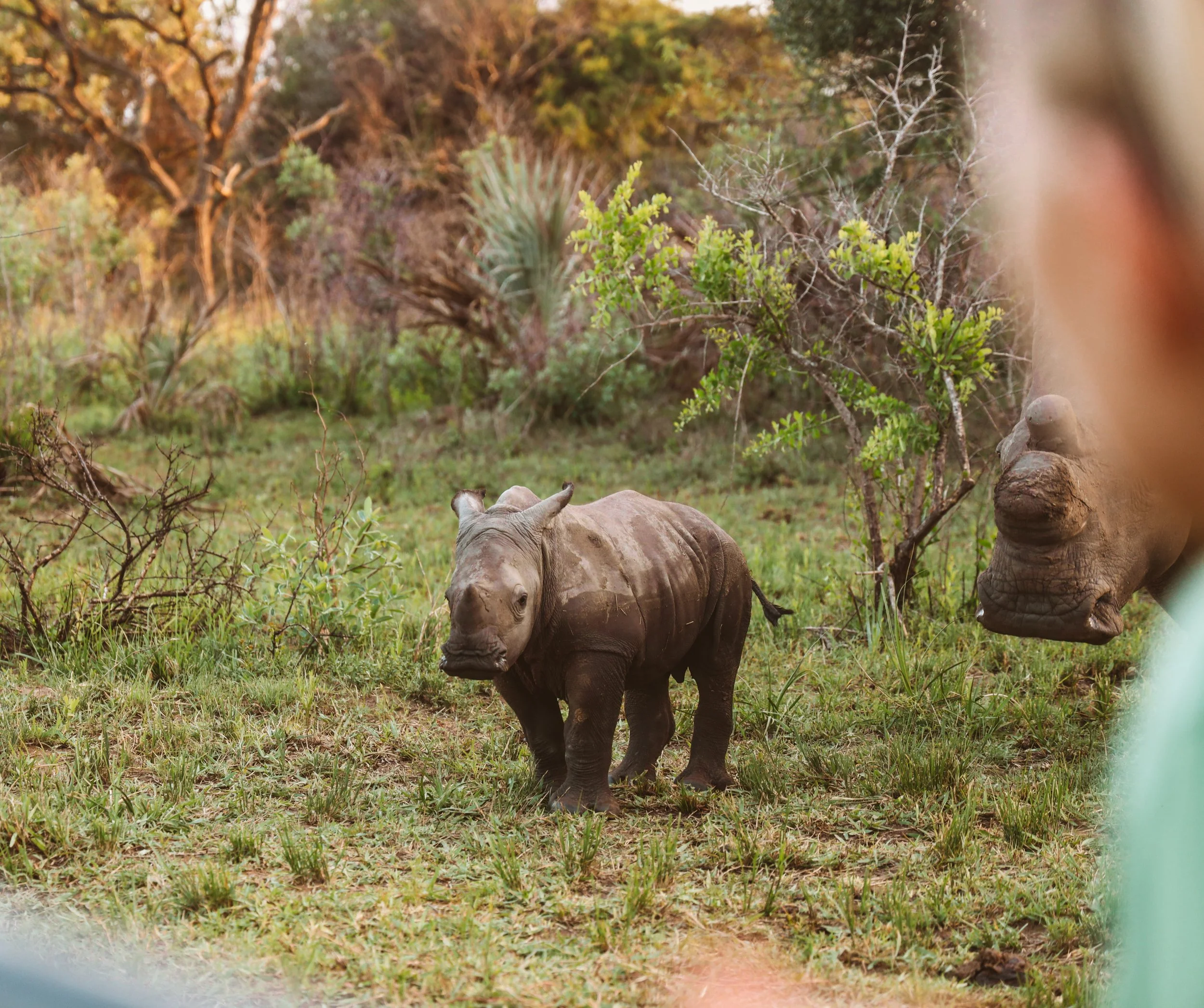
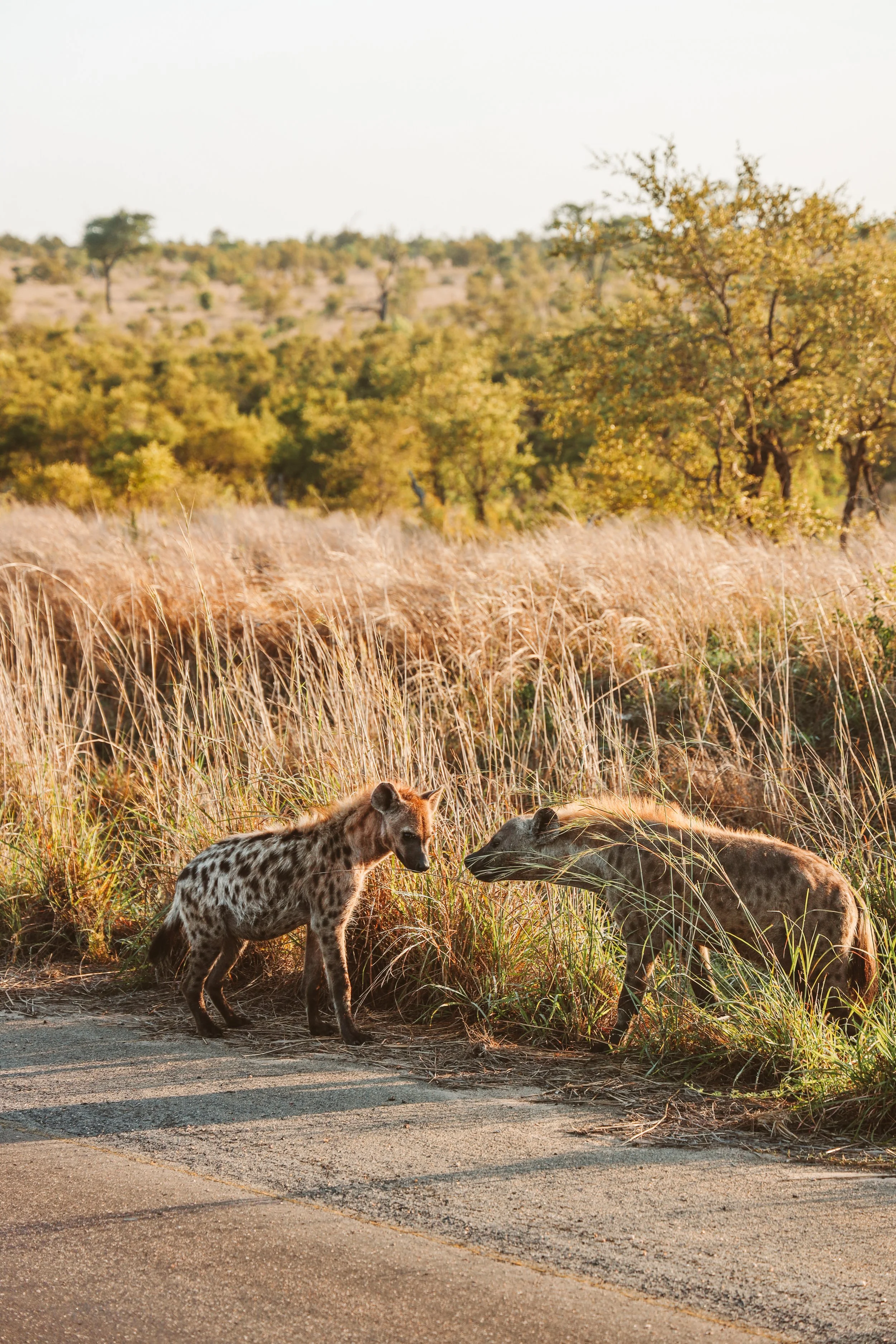
And within all the heaviness, there was wonder: baby elephants splashing in muddy waterholes, a hyena moving into the wind, the soft, chilling squeaks of a baby rhino calling for its mother, the steady breaths of a lion cooling himself in the heat, and a pangolin and her young briefly caught on camera traps. Rare, unseen lives continuing beyond us, as the sun sinks red across the savanna.
Those moments reminded me that the wild is not gone. It waits patiently, for us to remember how to belong to it again.
The Lesson
South Africa taught me that conservation is not about clear victories or neat outcomes. It is about connection, between people, land and wildlife.
It lives in quiet moments: comforting a dying creature, dreaming of elephants reclaiming ancient paths, communities finding pride and purpose, tears shed at the rare sight of a pangolin, strangers crossing oceans standing together in the African dust, simply because they care.
Conservation cannot exist without unity. These are the invisible threads bind us to this Earth. And if enough of us choose to honour them, with grief, devotion and relentless hope, then even in a fractured world, we can remember what it means to belong and protect what matters most.
Travel and field placements undertaken with African Conservation Experience
Written in the space between people and the wild,
- Ell